Wholesale & Retail Storage in Saudi Arabia 2026
Retail runs on availability. When a product is in stock, you sell; when it is not, the customer walks. Behind every well-stocked shelf sits a storage strategy that keeps goods moving at the right pace. Smart wholesale and retail storage is what lets traders in the Kingdom buy in bulk, protect margins, and still deliver fast in 2026.
This guide breaks down how wholesalers and retailers should warehouse stock, manage seasonal surges, and choose facilities that match the Kingdom’s fast-growing commerce sector. The goal is simple: fewer stockouts, less waste, and healthier cash flow.
Why Wholesale and Retail Storage Is Strategic
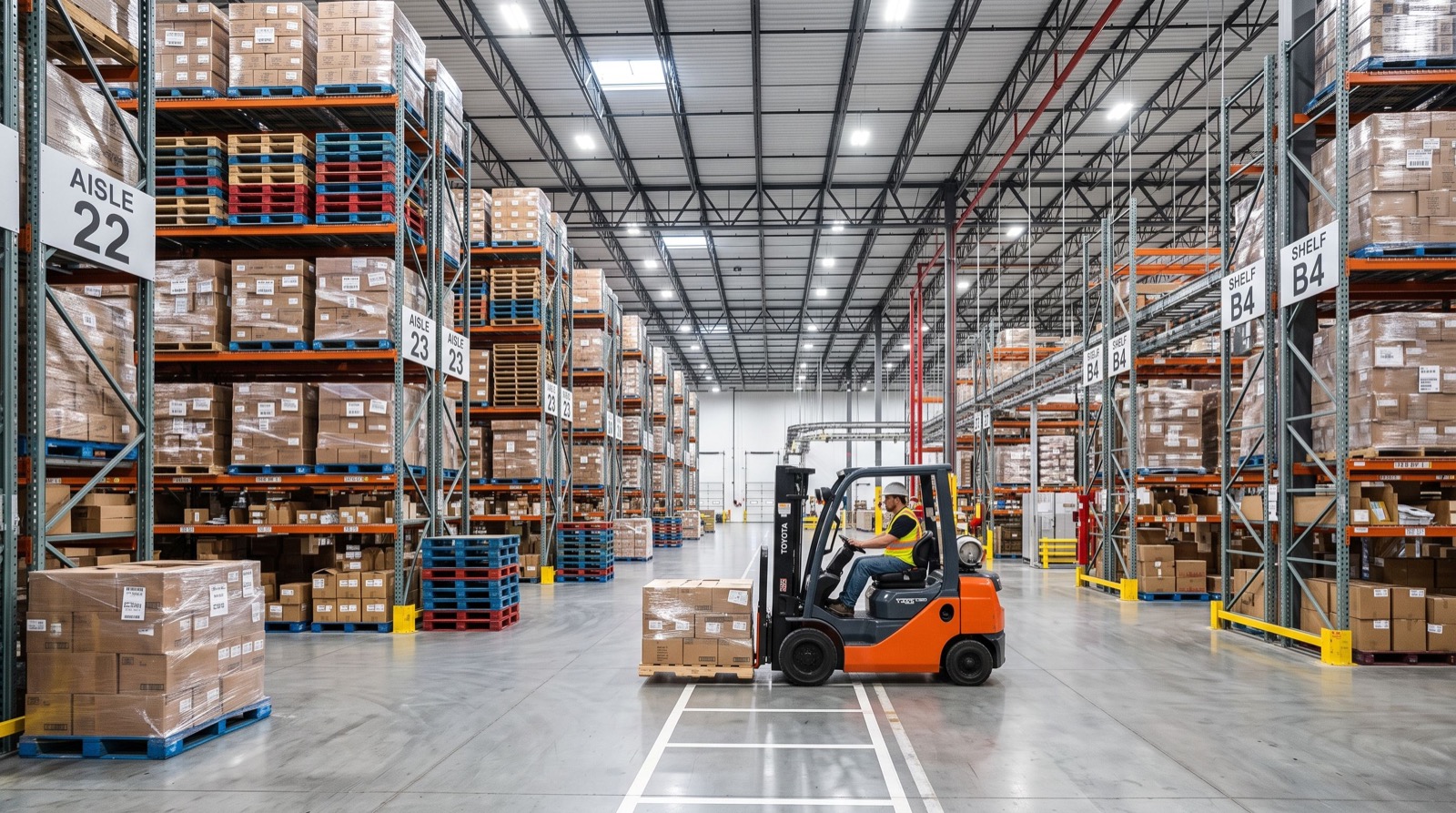
Buying in volume lowers unit cost, but only if you have somewhere safe to keep the surplus. Purpose-built Storage for Wholesalers and Retailers turns bulk purchasing from a risk into an advantage, letting traders stockpile when prices are low and release goods as demand rises.
Saudi Arabia’s retail market keeps expanding, driven by population growth and Vision 2030 diversification. The General Authority for Statistics tracks this steady rise in trade activity, and businesses that scale storage alongside it capture the upside instead of scrambling for space.
What Problems Does Good Storage Solve?
- Stockouts during demand spikes and holiday seasons
- Overcrowded shop backrooms that slow staff down
- Damage from poor handling or unsuitable conditions
- Tied-up cash in dead stock with no clear rotation
- Slow order fulfilment that frustrates B2B buyers
Matching Storage to Product Type
Different goods demand different environments. A clothing wholesaler and a food distributor have almost nothing in common when it comes to storage needs, so the facility mix must reflect the catalogue.
| Product Category | Storage Type | Priority | Turnover Pace |
|---|---|---|---|
| Apparel & textiles | Dry, climate-aware | Humidity control | Seasonal |
| Electronics | Secure, climate-controlled | Security & temperature | Fast |
| Packaged food | Dry & chilled mix | Hygiene & dates | Fast |
| Frozen goods | Cold chain | Constant low temp | Very fast |
Most growing traders end up needing a blend of dry, chilled, and frozen space. Consolidating these under one provider simplifies logistics and reporting.
How Do You Manage Seasonal Demand Swings?
Retail is rarely flat. Ramadan, Eid, back-to-school, and year-end sales all create sharp peaks. Storage that flexes with those waves prevents both costly overstock and damaging stockouts.
- Forecast early: Use last year’s data to predict each season’s volume.
- Pre-position stock: Move inventory closer to demand before the rush begins.
- Scale space temporarily: Book overflow units for peak months only.
- Rotate strictly: Apply first-in-first-out so older stock sells before it ages.
Cold Chain Storage for Perishable Retail Goods
Food and beverage retailers face a tougher challenge: temperature. Frozen and chilled products need an unbroken cold chain from supplier to shelf. Reliable Frozen Storage in Dammam supports distributors in the Eastern Province who handle seafood, meat, dairy, and frozen ready meals at scale.
A single cold-chain break can spoil an entire pallet and trigger a safety issue. Professional frozen storage with monitored temperatures and backup power removes that gamble.
What Makes Cold Storage Reliable?
- Continuous temperature monitoring with alarms
- Backup generators to survive power interruptions
- Separate zones for frozen, chilled, and dry goods
- Trained staff who understand food-safety handling
- Fast load-out to minimise door-open warming
Choosing the Right Storage Partner
A storage provider is a logistics partner, not just a landlord. The best ones offer inventory systems, flexible terms, and quick dispatch so you fulfil orders without friction. Partner with an experienced local team that understands Saudi trade flows and seasonal rhythms.
- Real-time inventory visibility and reporting
- Scalable space for both steady stock and peak overflow
- Strong security, CCTV, and controlled access
- Location near ports, highways, or your core market
- Mixed environments under one roof to simplify logistics
One field-tested tip: track your inventory turnover ratio per SKU, not just overall. When you know which lines sit idle, you stop renting space for dead stock and free up both cash and shelf capacity for fast movers.
For sector context and planning data, many traders cross-check demand trends with the General Authority for Statistics before committing to a long lease.
Reducing Waste and Protecting Margins
Dead stock and spoilage quietly erode profit. Disciplined storage, strict rotation, and accurate forecasting keep margins intact. Traders who tighten these habits often recover a meaningful slice of profit lost to write-offs.
Think of storage as a profit centre, not a cost. Every unit kept saleable and dispatched on time is revenue protected rather than margin lost to the bin.
Technology That Transforms Wholesale and Retail Storage
Modern warehousing is as much about software as shelving. The traders winning in 2026 pair physical space with digital systems that give them a live view of every SKU, location, and movement across the facility.
A warehouse management system removes guesswork. Instead of manual counts, barcodes and scanners track stock in real time, flagging low levels before they become stockouts and highlighting slow movers before they become dead weight. That visibility feeds straight into smarter purchasing.
Integration matters too. When your storage inventory syncs with your online shop and point-of-sale, you avoid overselling and fulfil orders faster. For B2B wholesalers, giving buyers accurate stock availability builds trust and repeat business.
- Real-time stock counts that prevent overselling
- Automated reorder alerts tuned to each SKU’s pace
- Barcode or RFID tracking for fast, accurate picking
- Integration with e-commerce and POS platforms
- Dashboards that reveal turnover and ageing stock
Start simple if you are new to this. Even basic inventory software beats spreadsheets, and a storage partner that offers built-in systems saves you the cost and complexity of building your own.
Frequently Asked Questions
What is the difference between wholesale and retail storage?
Wholesale storage usually handles large bulk volumes with pallet racking and bulk dispatch, while retail storage focuses on faster, smaller-order picking to replenish shops. Many traders need both, and good facilities support the two models together.
Do I need climate control for retail stock?
It depends on the product. Electronics, cosmetics, and some textiles benefit from climate control, while stable packaged goods tolerate dry storage. Perishables require chilled or frozen cold-chain space to stay safe and saleable.
How can storage help with seasonal sales peaks?
Flexible storage lets you stockpile before Ramadan, Eid, or year-end rushes and scale space up only when needed. This prevents both stockouts during the peak and costly excess capacity during quiet months.
Can one facility handle dry, chilled, and frozen goods?
Yes. Leading providers offer multi-temperature warehousing under one roof, so a distributor can keep dry goods, chilled items, and frozen products in a single location with unified inventory management.
Final Thoughts and Next Step
In a competitive market, wholesale and retail storage is the difference between selling on demand and apologising for empty shelves. Match each product to the right environment, plan for seasonal swings, and treat storage as a strategic asset that protects both availability and margin.
Scaling your trade in 2026? Audit your SKUs, forecast your peaks, and choose a flexible storage partner that keeps every order ready to ship the moment a buyer calls.